

Designing a stand that still works on its second outing
Most stands are designed for one hall, one footprint and one message. Small decisions at the drawing stage decide whether the second show costs a reprint or a rebuild.
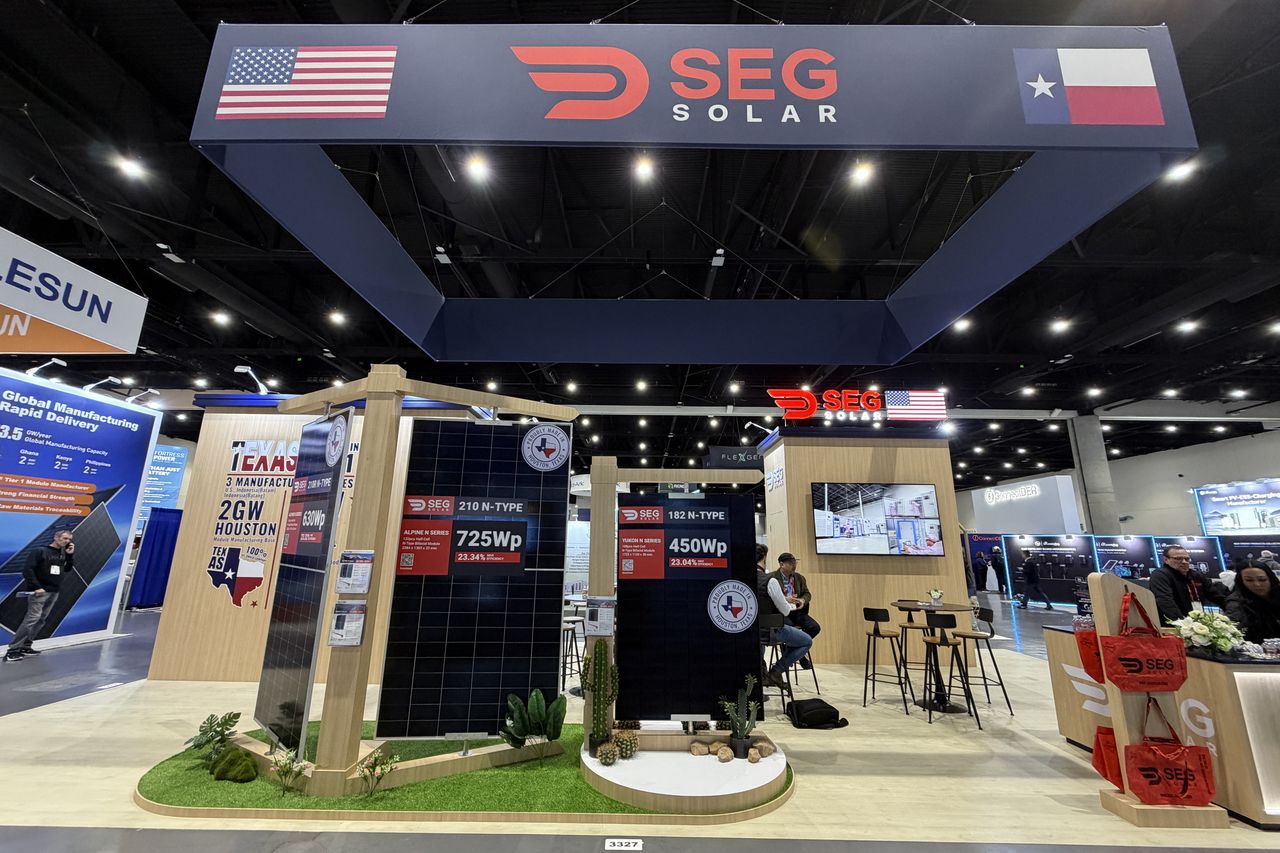
A stand designed for exactly one show will fit exactly one show. That is fine if you exhibit once. If you do three or four a year, the difference between a reusable build and a disposable one is decided in a handful of early decisions — none of which cost more at the time.
Design to a module, not to a footprint
If the structure is conceived as a set of repeatable bays rather than one bespoke shape, a 6×6 stand becomes a 6×3 by leaving bays in the warehouse. Design it as a single sculpted form and any change of footprint means new parts.
Separate the message from the structure
Anything carrying a year, a campaign line or a product name should be a graphic panel, not a painted or routed surface. Graphics are the cheapest thing to remake. Structure is the most expensive. Mixing them means reprinting a wall costs the price of a wall.
Assume the ceiling changes
Hanging limits, rigging rules and permitted heights vary by hall and sometimes by stand position within a hall. A suspended element designed at the maximum permitted height in one venue may simply not be allowed in the next. Design the stand to read correctly without it, and treat the hanging sign as an addition rather than a load-bearing part of the composition.
Leave the storeroom alone
Storerooms get value-engineered first because nobody photographs them. Then the crew arrives, finds nowhere to put coats, boxes and empty cases, and those things spend the show behind a counter in full view. Keep it, and keep its door away from the main aisle.
Plan the refurbishment before the first show
Decide up front what returns for storage, what gets checked, and what is consumable. Floor finishes, edge trims and anything white will need attention after one outing. A stand that comes back, gets inspected, has its worn parts replaced and goes out again with new graphics is normally far cheaper than a new build — but only if it was built to come apart in the first place.