

Five questions to ask before you approve a rendering
A rendering is a picture of an intention. These are the five things it habitually flatters, and what to ask before you sign it off.
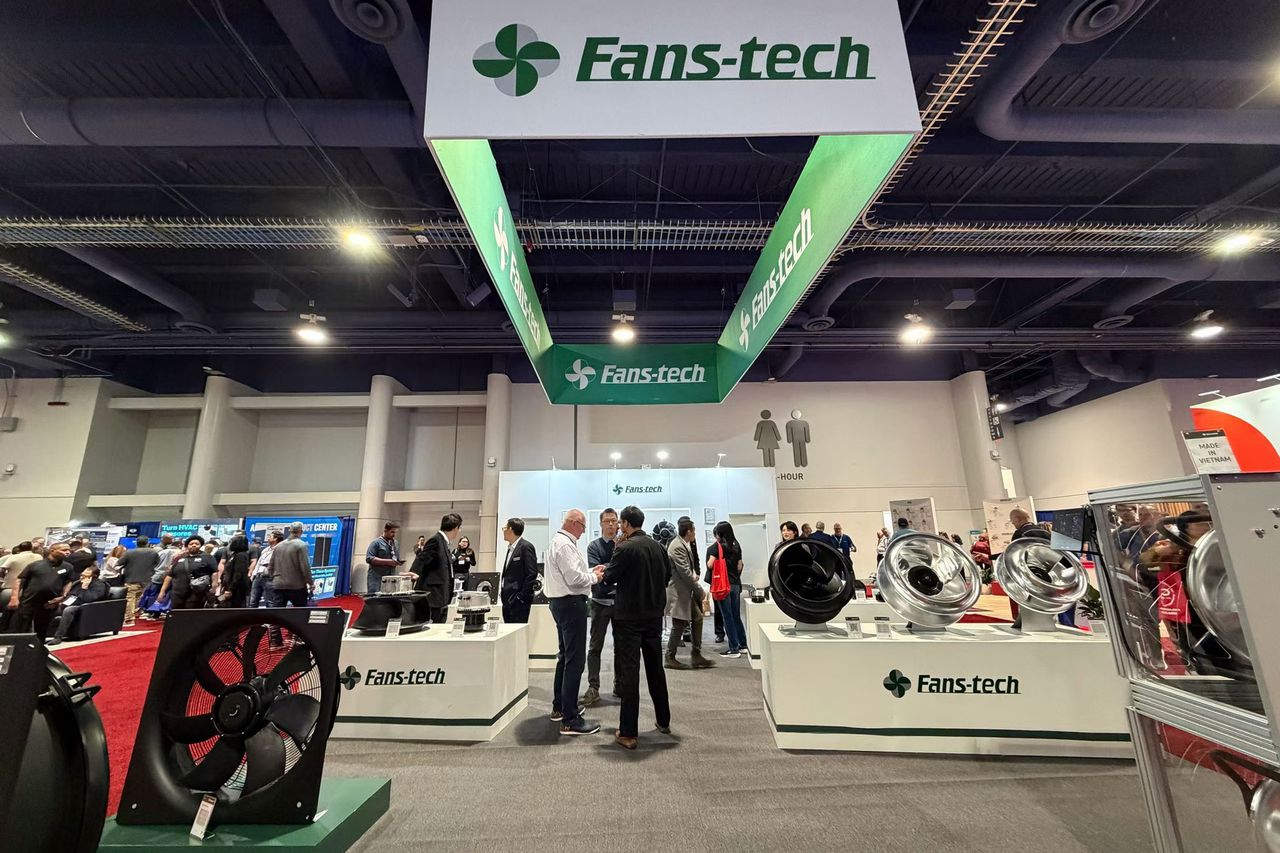
Approving a rendering feels like approving a stand. It is not — it is approving a drawing, and drawings are optimistic in predictable ways. Five questions catch most of it.
1. “Where is this lit from?”
Renderings are lit by whoever made them, usually beautifully and from angles no exhibition hall provides. Halls light from directly overhead, unevenly, and often in a colour temperature that fights your brand. Ask which lighting is in the build and which is the hall’s. Ask what the stand looks like with only the hall’s.
2. “How tall is a person here?”
Ask for a figure at scale in the drawing. Counters that look elegant at 1.2m in an empty render are a wall you talk over. Graphics placed for the camera are frequently below the heads of the crowd standing in front of them. The eye-level band — roughly 1.4m to 1.8m — is the only part of your stand that a walking visitor reliably reads.
3. “What is behind that wall?”
Every stand needs somewhere to put coats, boxes, literature and empty cases. If the render has no storeroom, those things will live in the visible part of the stand for the duration of the show.
4. “Which of these materials have you actually built in?”
Renders can specify anything. Mirror finishes show every fingerprint, curved fabric needs frames that survive repacking, and some laminates cannot be sourced within your lead time. Ask what the shop has genuinely built before, and what it will cost to change if a specified material turns out to be unavailable.
5. “Does this comply with the hall rules?”
Height limits, aisle line setbacks, rigging permissions, fire ratings on fabrics, restrictions on solid walls facing neighbours. These vary by show and are non-negotiable. A design that has not been checked against the organiser’s regulations before quotation is a design that may need to change after you have approved it.
If the answers come back quickly and specifically, you are working with people who have built the thing before. If they come back vaguely, that is the most useful information the meeting will produce.