

SEG fabric or rigid panel: choosing a build system
The two systems cost different amounts, travel differently and fail differently. Which one suits you depends far more on your show calendar than on your budget.
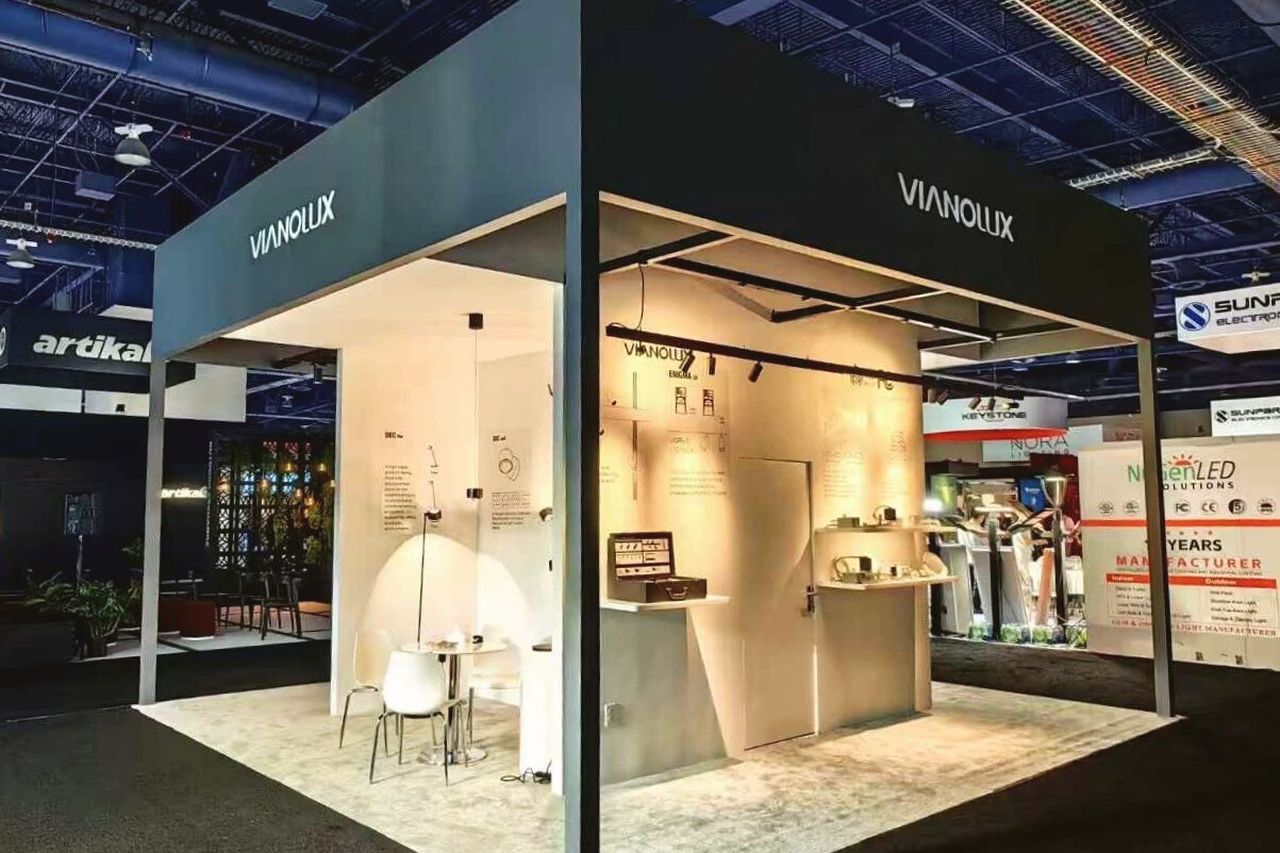
Almost every custom stand we quote comes down to a choice between two structural approaches: silicone-edge fabric stretched into an aluminium frame, or rigid panel built as carpentry. Both are legitimate. They are not interchangeable, and the deciding factor is usually not the one people expect.
What each one actually is
SEG fabric is a large-format print with a thin silicone strip sewn into its edge. The strip pushes into a channel in an extruded aluminium frame, and the fabric pulls taut. The result is a seamless graphic wall with no visible joins, at almost any size.
Rigid panel is what most people picture when they say “custom build”: sheet material cut, framed, finished and painted or laminated in a workshop, then bolted together on site.
The question that actually decides it
Not budget. How many times the stand goes out.
SEG frames pack flat, weigh very little, and reset show after show. When the message changes you reprint the fabric and keep the frame — a fraction of the cost of a new build. If you exhibit four times a year in different halls, that economics is hard to argue with.
Rigid panel is heavier, takes more volume in the crate, and costs more to move. What you get for that is depth: real thickness at the edges, routed detail, integrated lighting, surfaces that read as furniture rather than as graphics. If the stand is the product — a showroom, a hospitality space, a launch — panel is usually the honest answer.
Where each one disappoints people
SEG looks flat under raking light. A large fabric wall lit from a shallow angle shows every ripple, and halls are full of shallow angles. It also does not carry weight: shelving, screens and anything cantilevered needs separate structure behind it.
Rigid panel shows its joins. A painted seam that looks invisible in the workshop can catch a hall spotlight and read as a line across the wall. It is also unforgiving of a bad floor — and exhibition floors are rarely level.
Most stands are both
In practice the sensible build mixes them: fabric for the big backdrops and hanging signs where seamlessness matters and weight does not, panel for the counters, plinths, storerooms and anything a visitor will touch or lean on. That is how the majority of what leaves our floor is put together.
If a builder pushes you to one system for every element, ask why. Usually it is because that is the system they own the tooling for.